
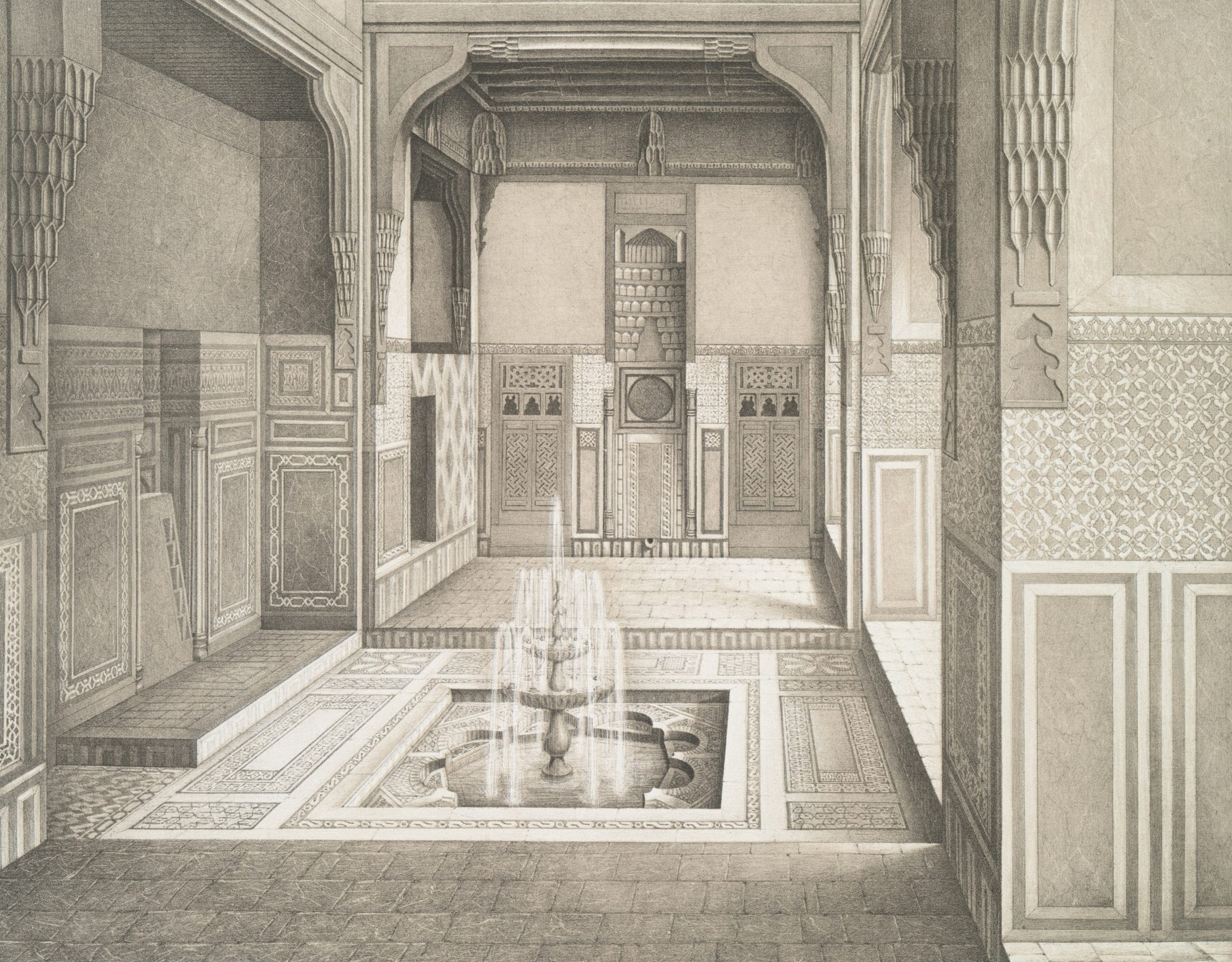
The word “spa” evokes images of serene spaces, flowing water, candlelight, and the gentle hum of relaxation. But the story of spas stretches back thousands of years, long before soft towels and massage oils. It is a story of human beings seeking connection, restoration, and renewal — a reminder that the desire for healing is timeless.
Ancient Beginnings: Water as Medicine
Spas began with water — not just as a convenience, but as a sacred source of healing. In ancient civilizations, natural springs and hot mineral waters were revered for their therapeutic properties.
- Ancient Egypt: Egyptians cherished baths for both hygiene and ritual. Cleopatra, legend tells us, bathed in the milk and honey of the Nile, believing it nourished her skin and soul.
- Ancient Greece: Greek culture emphasized balance and harmony. Public baths were a place for not only cleansing the body but also socializing, contemplating, and nurturing the mind. They believed that water could restore equilibrium to body and spirit.
- Ancient Rome: The Romans took bathing to an art form. Their elaborate bathhouses — the thermae — included steam rooms, hot baths, cold plunges, and even spaces for exercise and meditation. Romans saw bathing as essential for physical and mental well-being.
Water, in its warmth, coolness, and motion, has always been a healer. The first spas were not luxuries — they were sanctuaries of restoration.
The Middle Ages: Retreat and Reflection
As the Roman Empire fell, public baths declined in much of Europe. However, the healing power of water persisted. Monasteries, castles, and natural springs became quiet retreats for meditation and recovery. People would travel to thermal springs not only for physical healing but also for reflection, prayer, and mental renewal.
Even in times of hardship, humans sought sanctuaries — proof that the desire to pause and restore is universal.
The Renaissance and Enlightenment: Luxury Meets Science
By the 16th and 17th centuries, spas began to blend science and leisure. Mineral springs were studied for their health benefits, and “taking the waters” became fashionable among the European elite. Towns like Bath in England, Baden-Baden in Germany, and Vichy in France became destinations where the body, mind, and society intersected.
Spas became spaces of sophistication and refinement — elegant architecture, curated gardens, and carefully designed treatments. Yet, at their core, they remained about restoration: rejuvenating the body and soothing the spirit.
The Modern Spa: Healing Reimagined
The 20th century brought a new perspective. Spas evolved from elite retreats into accessible centers of wellness. Modern spas incorporate massage, meditation, yoga, aromatherapy, saunas, and more — blending ancient wisdom with contemporary science.
Today, spas are not just places to escape. They are sanctuaries for reflection, self-care, and intentional living. They honor the timeless human need to pause, breathe, and return to ourselves.
Why Spas Endure
Across centuries and cultures, one truth remains: humans crave restoration. The elements may change — baths, oils, saunas, meditation — but the intention is the same. Spas remind us that care for the body, mind, and soul is essential, not indulgent. They are spaces where we can reconnect with ourselves, the rhythms of nature, and the quiet wisdom of our own being.
A Living Tradition
Next time you sink into a warm bath, breathe in soothing aromas, or feel the tension melt during a massage, remember: you are participating in a millennia-old tradition of healing. Spas are more than luxury — they are history, ritual, and sanctuary intertwined.
At Ruby Spa, we honor that tradition. We invite you to step into your own sanctuary of calm, and reconnect with the timeless rhythm of restoration.
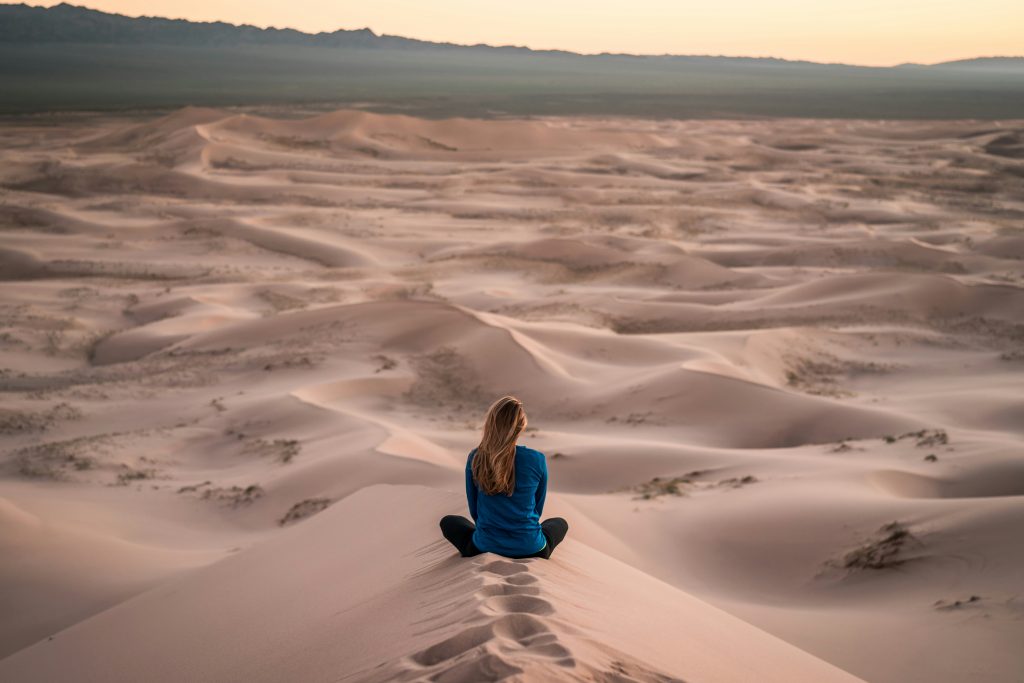
At our spa, we believe stillness
is power. Every breath, every
pause, is a step back home to
yourself. Sign up for our
newsletter and let us send a little
light your way — gentle reminders
to breathe, to rest, to rise again.